A Friendly and Relaxing place to stay in the heart of St Davids
Close to The Pembrokeshire Coast Path, The Cathedral and all shops, pubs, and restaurants
Bryn Awel, St Davids
Central St Davids location close to the tourist information centre
Our Guest Lounge
A comfortable place to sit and relax
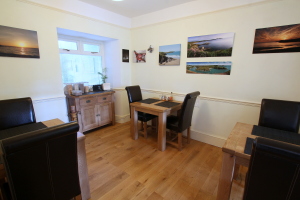
The Breakfast Room
A friendly & relaxing environment
A Guest Bedroom
All rooms recently decorated and all with en-suite bathrooms
Slots Push Casino Yield Higher
The UK Gambling Commission's quarterly release lands every three months with a stack of tables, and the latest one credits online casino play with £1.32 billion in gross gambling yield for the three months to the end of June. That puts the vertical 4.1 per cent ahead of the same quarter a year earlier. Remote slots brought in close to £900 million of it.
The British market settled into this shape years ago. You spin on a phone now, during a commute or a quiet hour at home, instead of standing at a machine in a seaside arcade. A typical session runs ten to fifteen minutes and then stops.
Sports betting moves with the football calendar. Slots do not. A Premier League weekend lifts turnover and drops it again by Tuesday, while a slot session pays much the same in July as in December. Operators built their product mix around that difference.
Reading the numbers without getting fooled
Gross gambling yield measures what an operator keeps after paying out winnings. It does not measure what players staked. A £1.32 billion quarter for online casino means players put several times that figure through the reels and won most of it back in small, frequent returns. Players feel the house edge across thousands of spins, spread over weeks.
The Commission splits remote casino into three parts: slots, table games, and live dealer. Slots carry close to 70 per cent of the vertical. Live dealer grows faster in percentage terms from a smaller base, and it still trails slots by a wide margin in cash terms.
Slots revenue holds up through quiet months because the product runs on its own schedule. A casino earns close to the same in a wet February as in August, so operators plan staffing and marketing around a flat line instead of a spike.
Stake patterns tell a similar story. The median slot player in Britain spends a few pounds per session, while a small group spends far more. Regulators watch that second group because problem gambling concentrates there.
Table games hold a steady share and attract a different crowd. Roulette and blackjack draw players who want a decision on every round, and stakes per round run higher than on slots. Live dealer streams pull in players who want a croupier on screen and a table that moves at a human pace.
The phone rebuild that changed the maths
Designers rebuilt slots for a small screen, and the rebuild changed the maths. Portrait layouts, a single spin button, and a session that fits between two stops on the train. Games load faster and run shorter feature cycles than the five-reel machines they replaced.
The shift toward slots moving onto mobile pushed studios to trim bonus rounds and raise hit frequency, so returns land often while you play. That keeps attention on a device where messages and notifications compete for it.
Autoplay settings matter less after the Commission banned them for UK-licensed sites in 2021. You press spin each time now. That single change slowed sessions down and, in the regulator's own reading, cut the rate at which players lose track of their spend.
The twenty minutes that cost the most
You learn how a session starts leaking money the hard way, in the twenty minutes after a near miss pushes your stake up. Chasing a feature that almost landed costs more than any base game spin.
Studios design near misses on purpose. The reel that stops one symbol short of a jackpot costs nothing to build and pulls more spins than any free-spins round. Knowing the trick does not stop it working, though it does make the pattern easier to spot.
Deposit limits help more than willpower. Set one before you play, at a level below what you plan to spend, and the operator has to honour it. Raise it and a UKGC-licensed site makes you wait twenty-four hours before the new figure applies.
Session timers do less visible work. A reminder every thirty minutes interrupts the flow that keeps you spinning past your budget. Reality checks show your net position for the session, which reads differently from the balance in the corner of the screen.
Deposits and the methods that work
UK players fund accounts with debit cards, PayPal, Apple Pay, Google Pay, open banking transfers through providers such as Trustly, and Paysafecard. Credit cards stopped working for gambling deposits in April 2020, when the Gambling Commission banned them across the licensed market.
Each method carries its own timing. Debit card deposits land straight away and withdrawals take one to three working days. PayPal and open banking transfers move faster in both directions. Paysafecard works for deposits only, so you need a bank-linked method to take money out.
Open banking changed the deposit side more than any other method in the last five years. You approve a payment in your bank's app and the money lands in the casino account without card details sitting on file. Withdrawals return to the same account, which keeps a clean paper trail and makes a dispute simpler to resolve.
Fees stay rare in this market because the Commission's rules push operators to absorb them. Watch for minimum withdrawal amounts instead, since a £10 minimum on a £25 balance leaves you spinning to reach the threshold.
Checking a site before you deposit
Licence checks take a minute. Every legal operator in Britain displays its UKGC licence number in the footer, and you can verify it on the Commission's public register. A site without one sits outside UK consumer protection and outside GamStop.
Player reviews on Trustpilot for Spinpeak Casino online give you the withdrawal side of the story, which marketing pages never cover. Look at the dates on those reviews. Recent complaints about payout delays tell you more than a five-star rating from two years ago.
Terms matter as much as the licence. Wagering requirements, maximum bet rules while a bonus runs, and withdrawal caps all sit in the small print on the promotions page. Read them before you opt in, because opting out mid-bonus forfeits the balance.
Tools that hold a session in check
Deposit limits, loss limits, session timers, and reality checks come free on every UKGC-licensed site. You set them in account settings and they apply across the products you play, including live dealer tables and table games.
GamStop goes further. The National Self-Exclusion Scheme blocks you from every licensed operator in Britain for a minimum of six months, and the block covers any new account you try to open. GamCare and BeGambleAware run helplines and live chat if you want to talk through your play with someone trained for it.
The quarterly figures will keep moving with the calendar and with whatever rules the Commission adds next. Your own limits stay where you put them, which makes them the part of this market worth watching.