A Friendly and Relaxing place to stay in the heart of St Davids
Close to The Pembrokeshire Coast Path, The Cathedral and all shops, pubs, and restaurants
Bryn Awel, St Davids
Central St Davids location close to the tourist information centre
Our Guest Lounge
A comfortable place to sit and relax
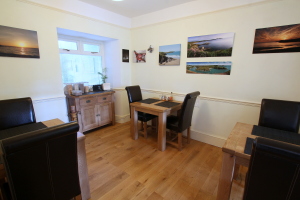
The Breakfast Room
A friendly & relaxing environment
A Guest Bedroom
All rooms recently decorated and all with en-suite bathrooms
Reading UK Slots Before You Spin
Open a UK casino site and you scroll past thousands of slots before you find one worth a spin. see the site — the choice is the problem. The UKGC-licensed market carries more games than any person can test, and most of them bury the numbers that matter behind a small info icon in the corner. Return to player, volatility and maximum win sit three clicks deep, while the studio behind the reels decides whether a game holds up after 200 spins.
Three figures tell you most of what you need before you deposit, and a handful of studios produce most of the games worth your time. The rest comes down to how you handle a losing run.
How UK Slots Differ From the Machines in the Bookies
Online slots work on different maths from the cabinets in a betting shop. A random number generator fires thousands of times each second, and every spin stands alone, so no reel is due and no game owes you a win after a dry spell.
The Gambling Commission reshaped slot design in October 2021. It banned autoplay, stopped operators dressing a loss as a win, and set a floor of 2.5 seconds per spin. Casino operators pulled the buy-a-bonus buttons that offshore sites still advertise, which is why a title you played abroad can look stripped down on a UK site. Slower spins and honest win graphics are the trade.
RTP, Volatility and the Maximum Win
Return to player measures how much a slot pays back across millions of spins. Most UK games sit between 94% and 96.5%. Across £100 of stakes, a 94% game keeps about £6 and a 96.5% game keeps about £3.50. Over a few hundred spins that spread decides whether you finish level or down.
Developers ship several RTP versions of the same game and let casinos pick one. Check the paytable where you play rather than a review from three years ago, because two sites can host the same title with different maths.
Volatility describes how a slot delivers that payback. Low volatility games drip small wins at a steady rate. High volatility games pay nothing for long stretches and then land one large hit. Neither suits every bankroll.
Volatility
How it plays
Stake per spin
Low
Frequent small wins, few dead spins
£0.20 to £1
Medium
Balanced runs with the odd feature
£0.20 to £1
High
Long dry spells, rare big hits
£0.10 to £0.50
Maximum win sets the ceiling on a single spin or feature. A slot advertising 5,000x your stake can pay £5,000 from a £1 spin, and one advertising 50,000x pays far more, though the odds of reaching that figure run into the millions. Treat the maximum as a marketing number and the hit frequency as the one that shapes your evening.
Studios That Build Games Worth Your Time
Studios design the slots and lease them to casinos. Four names appear in most lobbies for good reason.
Big Time Gaming
The Australian studio invented the Megaways mechanic, which changes the number of symbols on each reel with every spin and pushes the ways to win into the hundreds of thousands. Bonanza and Extra Chilli still hold up years after release. These games run high volatility, so budget for dry spells before you load one.
Play'n GO
A Swedish developer with the widest catalogue of the four. Book of Dead remains the benchmark adventure slot, and the studio publishes the RTP range for each game, which makes checking the version at your casino straightforward. Releases arrive weekly and quality varies across that volume.
Nolimit City
Built for anyone who wants the top end of the volatility scale. The xWays and xNudge features expand symbols and stack multipliers, and maximum wins run into the tens of thousands of times your stake. A session on these games burns through a bankroll in minutes when the features stay quiet. Set a hard stop before you start.
Pragmatic Play
Pragmatic Play runs more than 300 slots, and Sweet Bonanza and Gates of Olympus use scatter pays instead of fixed paylines. Feature drops come at a decent rate across the catalogue, volatility sits in the medium to high band, and each title ships in several RTP versions. Check the paytable for the build your casino runs.
Where to Play and How to Check the Licence
Any operator taking bets from Britain needs a licence from the Gambling Commission. A logo in the footer proves nothing on its own, so see the site's licence number and search it on the Commission's public register. The entry shows the trading name, the status of the licence and any conditions attached to it.
Skip a casino that hides the number or leans on a Curaçao or Malta licence as its main cover. You can still play there in some cases, but UKGC protection does not apply, GamStop does not reach it, and a stalled withdrawal leaves you with no regulator to call.
Deposits and Withdrawals in the UK
Debit cards from Visa and Mastercard cover the standard deposit. PayPal, Apple Pay and Google Pay move money in seconds, open banking transfers through Trustly skip the card networks, and Paysafecard suits anyone who wants to fund an account with cash. Credit cards have been banned for gambling deposits since April 2020, so leave them out of the plan.
Withdrawals run at different speeds. E-wallets and open banking land within hours in most cases, while card withdrawals take one to three working days. Most sites also hold a pending period of up to 24 hours, and every first withdrawal needs identity checks before the money moves. Finish verification the day you sign up and the first cashout goes through without a wait.
Understanding how player funds are protected matters once your balance passes a few hundred pounds. UKGC rules require operators to keep player money separate from company money, and to tell you which protection level applies if the business fails. Ask before you leave a large balance sitting in an account.
Habits That Keep a Session Cheap
Pick a number before you open the lobby and treat it as spent. Divide it into stakes of 1% or less, so a £100 session runs on 50p spins and survives a bad hour. Slots are entertainment with a house edge built in, and the budget is the price of the evening.
Chasing losses on slots is the fastest way to lose control of that budget. Raising your stake after each dry run to win the money back turns a £20 loss into a £200 one, and the maths of the next spin stays the same no matter how much you raise. Close the tab and come back tomorrow instead.
Use the timer in your account and take a break every 45 minutes. Fatigue pushes you toward bigger stakes and faster decisions. Set a loss limit alongside your deposit limit and treat both as fixed.
Tools for When the Session Stops Being Fun
Every UKGC operator offers deposit limits, loss limits, session reminders and time-outs, and you can set them yourself in the account menu. They take effect at once, and most sites make you wait through a cooling-off period before you can raise them.
If slots start pulling money you need elsewhere, GamStop registers you for self-exclusion across every licensed site in Britain for a minimum of six months. BeGambleAware and GamCare both run free helplines and live chat, and GamCare advisers will talk you through a plan for the weeks after you stop.
None of these tools cost anything. Use them at the first sign that a session has stopped being fun, rather than waiting until the balance is gone.