A Friendly and Relaxing place to stay in the heart of St Davids
Close to The Pembrokeshire Coast Path, The Cathedral and all shops, pubs, and restaurants
Bryn Awel, St Davids
Central St Davids location close to the tourist information centre
Our Guest Lounge
A comfortable place to sit and relax
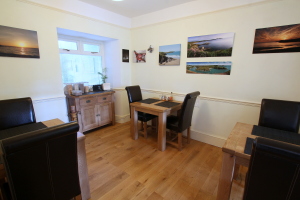
The Breakfast Room
A friendly & relaxing environment
A Guest Bedroom
All rooms recently decorated and all with en-suite bathrooms
Choosing Slots That Suit You
A slot's paytable tells you more about how a game will feel than any screenshot in a lobby. Two titles can share a theme, a 5x3 grid and a 96% return to player, then behave nothing alike once you press spin. Volatility explains the gap, along with the way the maths spreads wins across a session.
Volatility measures how a game distributes its return. Low-volatility slots pay small amounts often. High-volatility slots hold more back and release it in larger, rarer payments, sometimes after long stretches with nothing at all.
Choosing between them comes down to matching. Your bankroll, your session length and your patience matter more than the artwork on the tile.
What volatility changes in practice
Play a low-volatility game with £20 and you can expect a steady session with plenty of small returns. Take the same £20 into a high-volatility slot and the reels might pay nothing for a hundred spins, then land a feature worth 200x your stake. Both games return a similar percentage over millions of spins. The routes differ.
The house edge explains where the maths lands. Slots drive casino revenue because the edge applies to every spin: a game with a 4% house edge returns £96 of every £100 staked across millions of plays, and no run of luck shifts that figure.
The numbers worth checking before you play
Two figures sit at the top of every game info panel: return to player and volatility rating. UKGC-licensed operators publish RTP for each title, and most show it beside the game name in the lobby.
The gap between a 96% game and a 94% game looks small on paper. It costs you twice as much per spin in expected terms, which runs through a bankroll across a few hundred spins.
Spend a minute checking a slot's paytable before your first spin. It lists symbol values, how many you need on a payline, and what triggers the bonus round. Some titles also publish hit frequency, which tells you how often the reels pay anything at all.
Demo mode lets you test a game without staking anything. Most licensed operators load a practice version of every slot, and a hundred spins there will show you how the reels behave. RTP stays the same in demo play, so the picture you get is an honest one.
One UK-specific detail: the Gambling Commission banned bonus buy features in October 2021, along with stake options that raise your chance of triggering a bonus round. A licensed UK slot runs at the stake you set, and no setting buys a shortcut into the free spins.
Sites such as Spinch Casino group titles by provider and theme, and the game tile carries the RTP figure, so you can compare two versions of the same slot before launching either.
Matching a slot to the way you play
Your session shape decides which volatility band suits you. Twenty minutes and £10 fits low or medium volatility, where the budget stretches across more spins. Set aside £50 for an evening and a high-volatility game makes sense, provided you accept that most sessions finish below your starting balance.
Reel mechanics shape the same numbers. Games with cascading symbols, expanding reels or cluster pays tend to run at higher volatility, because the software groups pays into fewer, larger events. Check the volatility rating rather than the feature list if you want a long session with regular returns.
Stakes deserve the same attention. Doubling your stake doubles the speed at which the house edge takes its cut. At 20p per spin a 4% edge costs 0.8p per spin on average; at £2 per spin it costs 8p, and a 500-spin session runs through £40 in expected losses. The spins look the same while the arithmetic changes underneath them.
You can see which habits drain a session once you track your spending. Top-ups made mid-session, spins taken past your stop point and the extra ten minutes that turn a £10 deposit into £30 all cost more than the stake you picked at the start. A deposit limit set before you log in beats a decision made after three losses.
The urge to chase losses grows strongest after a near miss on a large multiplier, when the game looks close to paying. RTP does not change based on the previous spin. Each result comes from a random number generator with no memory of what you staked or lost, and a break ends the run.
Some evenings call for a different game. Live dealer tables and game-show formats run in real time with a host, and the pace is slower. Blackjack sits near 0.5% with basic strategy, single-zero roulette near 2.7%, and live game shows vary more widely. If you want a slower rhythm, a live table delivers it.
Playing from your phone
Playing slots on your phone changes one thing that matters for a bankroll: access. The lobby sits in your pocket, alerts pull you back, and a session can start on a bus. The games run on the same certified random number generator as the desktop versions, so the odds do not change with the screen size.
Depositing from your phone takes seconds through Apple Pay, Google Pay or PayPal. Debit cards from Visa and Mastercard work too, alongside open banking transfers such as Trustly. The Gambling Commission banned credit cards for UK gambling deposits in April 2020, so a site that accepts one is breaking its licence conditions.
That speed works against you as well as for you. A deposit that clears in ten seconds is easier to repeat than one that takes ten minutes, and mobile banking puts the repeat one tap away. Set your deposit limit in the account settings before you add a payment method.
Offers, wagering and the small print
Free spins and bonus balance come with wagering requirements that decide how much play they demand before a withdrawal. A £10 bonus at 35x wagering means £350 in stakes before any of it converts to cash, and a high-volatility slot takes a long time to clear that requirement. Read the terms and check which games count towards the total.
Cashback, reload bonuses and free spin drops follow the same pattern as welcome offers. Each carries terms, each has an expiry, and each pushes you towards more spins than you planned. Take the offer that matches the session you already play, and skip the rest.
Volatility describes the shape of a session. RTP describes the price of playing it. Neither tells you what happens across the next hundred spins.
What happens to your money
UKGC-licensed operators must hold customer funds apart from business funds, and each publishes a protection rating that explains what happens if an operator closes. The rating shows whether your balance sits in a trust account or in the operator's own funds, and it is worth checking before leaving a large balance in an account.
Deposit limits, loss limits, session reminders and reality checks sit in the account tools of every licensed site. GamStop excludes you from every UK-licensed operator at once, and BeGambleAware and GamCare run free support by phone, chat and email.
Questions players ask
Does volatility change my chances of winning?
It changes how often you win and how much you win. The game stays unbeatable over time. Every UKGC-licensed slot runs at a house edge, and a high-volatility title can pay a 5,000x multiplier on one spin while still returning 96% overall.
Are mobile slots different from desktop versions?
The reels, the RTP and the paytable stay identical. What changes is how often you open the game, from a bus queue or a sofa, and that affects your spending more than any reel layout.
Is there a strategy that beats a UK slot?
No. Results come from a certified random number generator, and the house edge applies to every spin you take. Strategy belongs in the decisions around the game: what you stake, how long you play, and when you stop.
Can I play a slot without depositing?
Demo versions run across most licensed sites, and they use the same RTP as the real-money game. Practice play tests the pace and the volatility without touching your balance.
Pick a game that fits your budget and the time you have, check the RTP before you deposit, and treat the whole thing as paid entertainment. Volatility tells you what a session will feel like, and the choice of whether to start one stays with you.