A Friendly and Relaxing place to stay in the heart of St Davids
Close to The Pembrokeshire Coast Path, The Cathedral and all shops, pubs, and restaurants
Bryn Awel, St Davids
Central St Davids location close to the tourist information centre
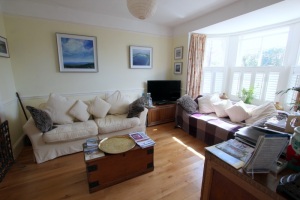
Our Guest Lounge
A comfortable place to sit and relax
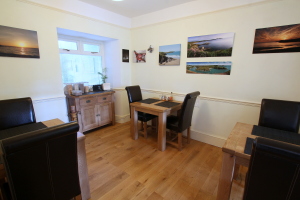
The Breakfast Room
A friendly & relaxing environment
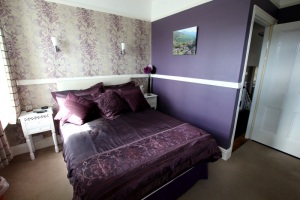
A Guest Bedroom
All rooms recently decorated and all with en-suite bathrooms
Slot Studios Worth Watching in the UK
Slot studios arrive in waves. Every few years a handful of small teams put out a game that makes the legacy developers look like they have stopped trying, and the ones who follow it up stick around for a decade. Five outfits are doing that work now: tight maths models, design choices the big houses keep skipping, and games you can load at any casino holding a UKGC licence. None of them carries the marketing budget of a Pragmatic Play or a Play'n GO, which is the whole reason their releases feel different when you open them.
Before you chase their newest release, look at the place you plan to play it. The review history behind a site such as Rolling Slots Casino on Trustpilot tells you more about withdrawal speed and customer support than any welcome banner does, and the operator matters more than the studio once your money sits in an account.
Hacksaw Gaming
Hacksaw Gaming opened in Malta in 2018 and held a UK licence inside two years. The catalogue stays small on purpose: Wanted Dead or a Wild, Le Bandit, Chaos Crew 2 and a few dozen others. Every one runs hot. A base game can hand you a 2x return and the next spin can open a bonus round worth 10,000x, so these slots sit high on the volatility charts and low on the comfort scale.
That maths leaves no room for guesswork. Spend two minutes reading the paytable before you spin and you will know what fires the multiplier, how many scatters the bonus needs, and where the top prize caps out. The rules screen does more work than the preview art on the lobby tile.
Streamers pushed these games into the mainstream, and that exposure shaped the design. Bonus buys, big multiplier symbols and a base game that can still pay a four-figure sum keep an audience watching. British players get the same versions, minus the aggressive marketing blurbs.
Print Studios
Print Studios launched in 2020 with staff pulled from NetEnt's older teams. Royal Potato, Book of Destiny and Super Energy build around one idea each rather than a feature list. Royal Potato pays on a win-zone grid that grows with every cascade. Book of Destiny mixes expanding wilds with a free spins ladder that climbs in stages.
Three or four games in, patterns show up fast. You learn which mechanics hold your attention and which ones you skip after two spins. That turns picking slots that fit your play style into a short decision rather than a long browse through a lobby you never finish.
The studio also skips licensed film and TV tie-ins, which keeps development costs down and the release schedule steady. You get two or three games a year from a team that spends the extra time on the maths rather than the branding.
Peter & Sons
Peter & Sons is a small Armenian studio with a hand-drawn look you can spot from a lobby thumbnail. Barbarossa and Alice in WildLand lean on dark line art, and the games reach UK players through licensed operators rather than a direct download. The artwork survives on a small screen, which counts in a market where slots have moved to mobile as the default way to play.
Volatility runs high across the range, with max wins that stretch past 20,000x on some titles and RTP figures published on the info screen. That combination suits players who want a shot at a large payout from a modest stake and accept long stretches between hits.
AvatarUX
AvatarUX built its name on PopWins, the mechanic that clears winning symbols and stretches the reel set taller with each cascade. WildPops and CherryPop made that idea famous, and later releases added multipliers that stack across reels so the base game stays live instead of flat.
The studio also ships games that run clean on a phone. Debit cards and PayPal both work at UK sites, and funding a session on your phone now amounts to an Apple Pay tap or an open banking transfer through Trustly. Credit cards stopped working for gambling deposits in April 2020, so leave them in your wallet.
Fantasma Games
Fantasma Games works out of Stockholm and sells operators on bespoke maths models rather than cloned mechanics. Several releases ship with configurable volatility, which lets a casino run the same slot with two different risk profiles side by side. You will spot the difference in the hit rate before you read a word of the description.
That flexibility explains why lobbies keep stocking them. Slot titles carry a floor far higher than table games, and slots drive casino revenue in a way roulette and blackjack never manage, so operators chase every studio that can keep a lobby looking fresh.
How to Judge a New Release
Four numbers tell you most of what a slot will do to your balance. Return to player sits between 94% and 96.5% on UK releases, and licence conditions require the operator to publish it. Volatility shows how the payouts spread across a session. Max win caps the ceiling. The price of a bonus buy tells you what a shortcut costs when the studio offers one.
Compare those figures across two studios and the gaps stop being subtle. A 96.5% game with medium volatility behaves nothing like a 94% release that pays 25,000x, even when the artwork and the theme sit close together.
Demo play settles the rest. Most UK-licensed operators let you open the base game for free at a reduced-stake setting, and twenty spins tells you whether the pace suits you better than any review will. Watch for RTP that changes between the demo and the real-money version, since a few studios ship separate builds.
Keeping Your Sessions in Check
High-volatility releases from these studios produce long cold spells. Track your balance across a week and you will see where a session leaks money through small top-ups that never feel like much on the night.
A run of dead spins also explains why you chase a loss. The bonus feels one spin away, so the next deposit looks like the final step before a big hit. Set a deposit limit before your first spin of the evening, take a time-out when a session runs past your plan, and register with GamStop if you need a block that covers every UK site at once. BeGambleAware runs a helpline and free counselling if gambling has already moved past entertainment in your week.
None of these five studios will stay small for long. Hacksaw and Print already sit in most UK lobbies, and the others are one hit away from the same treatment. Try a single game from each, note which maths model suits your bankroll, and you will know where to look before the next wave lands.